
The 12 Questions Every Equipment Dealer and Fleet Owner Should Ask Before Choosing an Attachment Partner
July 29th, 2026
7 min. read
By Dale Deweese
At a glance:
Selecting the right dealer partner is about much more than price or product availability—it’s about choosing a long-term business partner who supports your success, protects your reputation, and helps you serve your customers effectively. Like a trusted travel companion, the right manufacturer communicates well, responds when challenges arise, and stands behind their commitments.
What to Ask an Attachment Manufacturer Before Signing a Dealer Agreement
Choosing the right dealer partner is a little like planning a long road trip with someone in the passenger seat. At first, everything may seem fine, the destination is set; the vehicle is fueled, and the excitement is there. But a few hours in, you quickly learn whether that person is helpful when traffic hits, calm when the route changes, and willing to pitch in when something goes wrong. The same is true in business. A dealer agreement is not just about the product or the price on the quote—it’s about whether that partner communicates clearly, stands behind their work, solves problems quickly, and protects your reputation when your customers are counting on you.
As a dealer, the questions you ask today can save you significant time, money, and frustration tomorrow.
At Werk-Brau, we’ve built partnerships with dealers and OEMS for generations because we believe the best business relationships begin with transparency. Before signing any dealer agreement, here are twelve questions every buyer should ask.
1. Where are your products designed and manufactured?
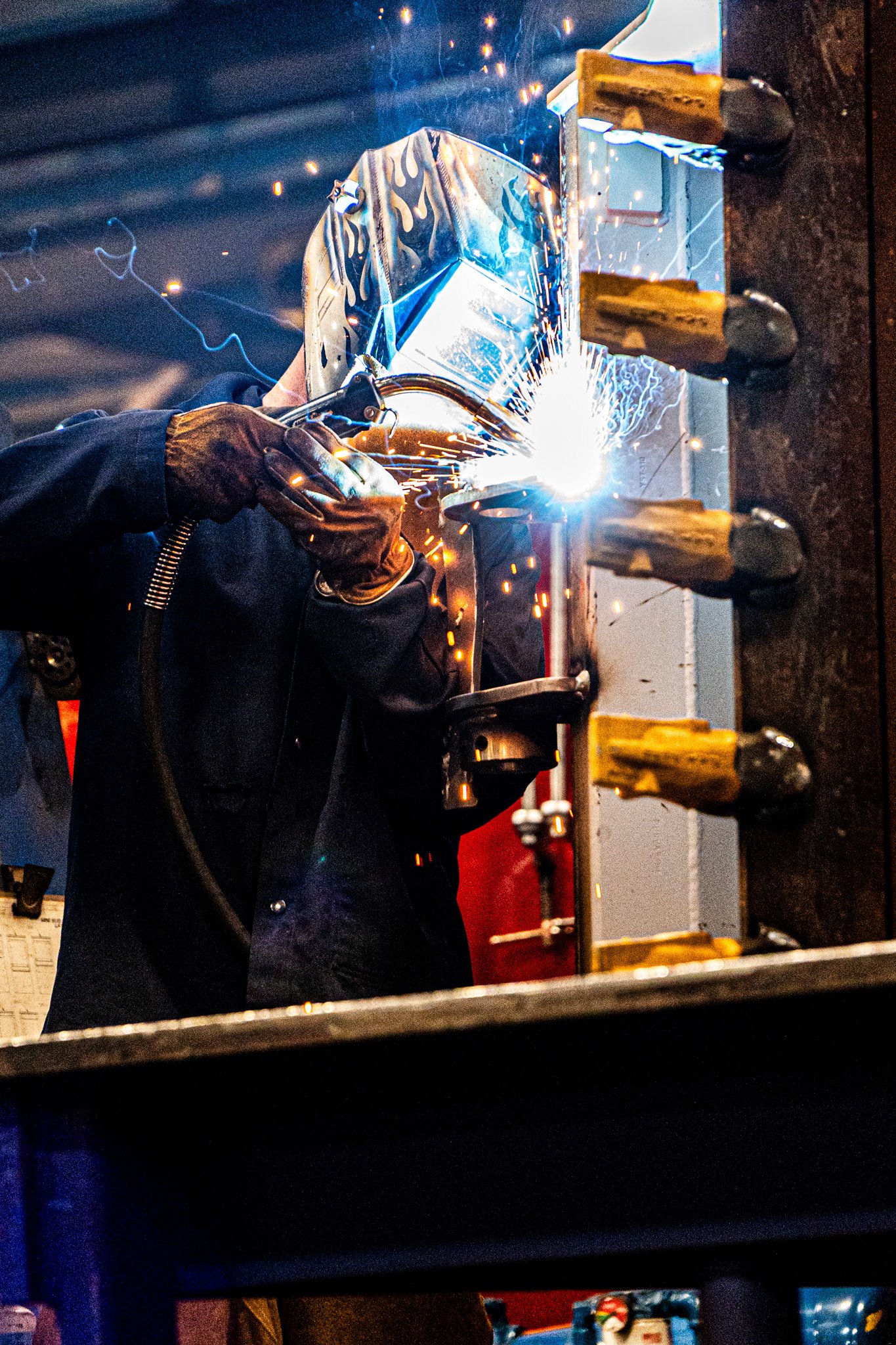
Manufacturing location matters. Ask where engineering, fabrication, welding, machining, and quality inspections take place.
Domestic manufacturing often provides greater quality control, faster communication, shorter lead times, and the flexibility to respond when your customers need something beyond a standard catalog product.
Working with a partner who imports product rather than building it themselves can create challenges that may not show up until after the sale. If the manufacturer does not control the engineering, fabrication, quality checks, or production schedule, it can be harder to get clear answers, make product adjustments, resolve warranty issues, or respond quickly when inventory runs short. Longer supply chains can also mean longer lead times, and more uncertainty when customers need support.
2. How do you ensure product quality and consistency?
Every attachment may look similar in a brochure, but performance is determined by engineering, material selection, weld quality, manufacturing processes, and inspection standards.
Ask about:
• Steel grades used – What do they use, where specifically do they use it, and where does it come from?
• Engineering capabilities - Is their engineering in-house or do they rely on engineers from a supplier for design?
• Testing procedures – Do they use Finite Element Analysis (FEA Testing), and what steps do they take to ensure standards are kept?
• Quality control processes – Where are their controls, is there a process in place, what gets rejected?
When you are buying an attachment, you are also paying for peace of mind. The last thing that a dealer has time for is handling an attachment related issue. At the end of the day the customer is not going to say X manufacturer is the problem; they are more likely to say that you are the problem for recommending that product in the first place. Those issues can carry with you for a long time.
3. What are your average lead times?
A competitive price means very little if your customer waits months for delivery.
Ask how lead times are measured, what inventory is stocked, and how the manufacturer handles expedited orders during peak construction seasons. Also, it’s important to know how often they hit their lead times vs miss the mark and what do they do if they are late. There are a lot of manufacturers who are not transparent with their lead times and disappear when products are running late.
Bad news is always better than no news, especially when a contractor needs to know the realistic timeline to start a job or project. Often, they rely on your equipment to even get started.
Reliable delivery and consistent communication builds trust with your customers.
For more information on our lead time, check out this video:
4. How do you support warranty claims?
No manufacturer is perfect. What separates great partners is how they respond when something does go wrong.
Ask:
-
How are warranty claims handled?
-
What are typical response times?
-
Who is your point of contact?
-
Are replacement products expedited when necessary?
Great partnerships are built after the sale—not just before it. Anything manmade can be broken, it is not a matter of if there will be a problem, but how it is handled when one arises. Sometimes the best business relationships are a result of a problem well managed with empathy and care.
5. Will I receive dedicated sales and technical support?
A manufacturer should provide more than products.
Ask whether you’ll have:
- A dedicated Regional Sales Manager
- Inside Sales support
- Engineering assistance
- Product specialists
- Application expertise
- Marketing and event support
A few other questions to consider:
• How available is salesperson that you are assigned to?
• Does that person have support to cover them when they travel, or do you get passed around?
• Do you get an answering machine and have to wait to communicate with a human being?
• If your customer approached you with an idea for a custom attachment, what kind of expertise does your sales rep have to ensure this is the best course of action for your job?
• Do they offer cobranded marketing support and provide marketing collateral to help you sell their products?
The best partners help you win business, not just process orders. They operate as an extension of your business and not just a one-sided transactional relationship.
6. Do you provide product training?
Even the best attachment can’t sell itself.
Training helps your salespeople confidently recommend the right solutions while helping customers maximize productivity and safety.
Look for manufacturers who invest in:
- Sales training
- Product demonstrations
- Customer education
- Jobsite support
Let's face it, in this day and age we are dealing with employees who do not necessarily stay with the same company for their whole career. That means that you are having a constant training process to onboard new team members. You need a partner that is going to assist in that process and be your attachment expert. No matter who turns over at your organization, you want a partner that will consistently provide assistance and consultation.
7. How easy is it to do business with you?
Your customers expect quick answers. I call it the Amazon effect. We are now at a point where you can order something and receive it same day or next day. It’s like magic, but it has created a demand and expectation for the quickest service that you can provide. You have machines to sell so you need answers quickly so you can move on to the next task and not have to wait to finish a quote.
Ask:
- How quickly quotes are returned?
- How are orders placed?
- Are there any online quoting tools are available?
- How is order status communicated?
Simple processes save everyone time. When quoting, ordering, order tracking, and support are clearly defined, your team can get answers quickly, keep customers informed, and move on to the next task instead of chasing down updates. Well-established manufacturers usually have these systems already in place, which means fewer bottlenecks, faster communication, and a smoother experience for both your dealership and your customers.
8. Can you support custom applications?
No two jobsites are exactly alike and just like you a lot of our customers become engineers late at night sitting on a barstool. You need help from experts to make their ideas become reliable, efficient attachments in real life.
Your manufacturer should have the engineering expertise to modify existing designs or create custom solutions that solve unique customer challenges.
Custom vs. Standard Attachments:
Innovation is often what separates good suppliers from great partners. The best ones will sometimes tell you no or that it’s a bad idea. They would rather lose one sale than put you into a bad position.
9. Do you stock replacement parts?
Downtime is expensive.
Ask how replacement wear parts, pins, bushings, cylinders, and other service items are stocked and shipped. Typically, companies that import their product struggle in this area as they rely on mass stocking parts and components. If they don’t, they are waiting on the slow boat from overseas to get there after the manufacturing process is complete. This is an area where domestic partners who still make their own product excel. They can quickly make their own replacement if they run out of stock or can quicker react to component needs.
Ask:
- Where is their stocking location?
- What parts do they make to order vs keep on the ground?
Long-term support should be part of every purchasing decision.
10. How stable and invested is your company for the future?
You’re choosing a partner you hope to work with for years.
Ask:
-
How many years has your company been in business?
-
Who owns the company?
-
What are their plans for the future?
-
Is it family owned, publicly traded or owned by a investment group?
-
What kind of manufacturing investment are you making for the future?
-
What do you have for engineering resources and how does that look in the future?
-
What is your typical employee tenure and employee experience?
-
Long-term commitment to the industry
Strong companies continue investing even when markets fluctuate. They upgrade equipment, improve processes, develop engineering talent, support their people, and plan for the future instead of reacting only to today’s conditions. For dealers, that kind of stability matters because it shows the manufacturer is not just trying to make the next sale—they are building the capacity, knowledge, and infrastructure needed to support customers for years to come.
11. How are you innovating in the future?
Construction continues to evolve.
Ask what new products are being developed, how the manufacturer supports machine technology, and whether they’re investing in innovations that will help your business remain competitive.
A manufacturer should be looking years ahead, not just filling today’s orders. The best partners are constantly asking what customers will need next, how jobsites are changing, and where equipment technology is headed. That means investing in engineering, testing new ideas, improving existing products, and developing solutions that help dealers stay ahead of customer expectations. Innovation is not just about launching something new for the sake of it; it is about solving real problems, making attachments more productive and reliable, and giving dealers confidence that the manufacturer behind them is committed to progress for the long haul.
12. Why should I choose you instead of another manufacturer?
This may be the most important question of all.
Listen carefully.
The strongest manufacturers won’t simply talk about price. They’ll talk about relationships, responsiveness, engineering, service, product quality, and helping your business grow. The right manufacturer will answer in a way that is not self-serving. They will be looking to how they can partner with you for the long haul.
Those are the partnerships that last. At the end of the day a good partnership will require you and the manufacturer to win some and lose some together, the key word there is together! If done right, you both will grow and the experience will be much more enjoyable.
The Bottom Line
The attachment you sell becomes part of your reputation.
Every bucket, coupler, thumb, grapple, or specialty attachment you deliver reflects on your dealership long after the invoice is paid.
Choose a manufacturer that answers the phone. One that stands behind its products. One that invests in engineering, innovation, training, and customer success. Most importantly, choose a partner who is committed to helping your business grow, not just earning your next purchase order.
At Werk-Brau, we believe our success is measured by the success of the dealers and customers we serve. That philosophy has guided us for generations, and it continues to shape every product we build and every partnership we earn.
If you’re evaluating attachment manufacturers or considering adding a new product line, we’d welcome the opportunity to earn your business. Connect with one of our Regional Sales Managers to discuss your goals, evaluate your market opportunities, and discover how Werk-Brau can help you build a stronger, more profitable attachment business.
Dale Deweese is Werk-Brau’s National Sales Manager, bringing decades of experience in the construction equipment industry. He works closely with customers and dealers across North America to help match the right attachment to the job.
