
Excavator Bucket Safety: What Every Operator and Dealer Needs to Know
November 21st, 2025
4 min. read
By Mike Noward
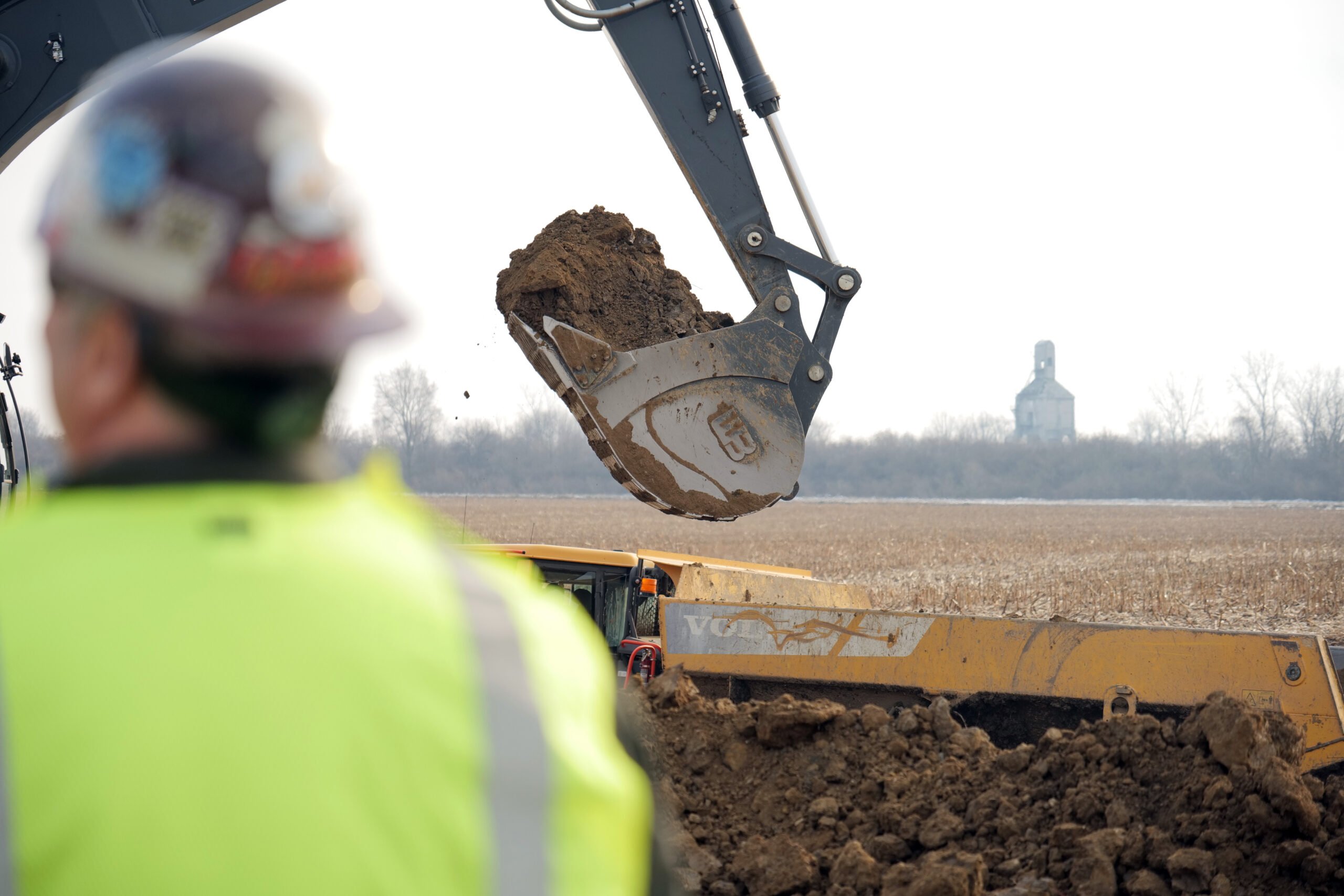
Before I started my career at Werk-Brau, I was in the field working construction. I know from experience that there are days that we would simply ask the safety guy to “go take a lunch”. We needed to get the job done, and we knew deep down we probably should have thought a lot harder about how we should do it. I am lucky nothing serious ever happened when I was in charge, but I worry about what others I’ve seen do what could happen. Not because equipment failed—but because basic safety protocols weren’t followed. So, whether you’re an operator, equipment manager, safety officer, or dealer service tech, this article is for you. Let’s talk about the safety issues nobody wants to discuss until something goes wrong.
The Work Zone: Your First Line of Defense
This one seems obvious, but it’s worth repeating: Keep people away from the work area when excavators are operating. I know job sites get crowded. I know there’s pressure to get things done quickly. But an excavator bucket—whether it’s moving earth or just being repositioned—creates a danger zone that needs to be respected. Make it a hard rule on your sites. No exceptions.
Pin-On Buckets: The Hidden Dangers of “Just Changing It Out”
Here’s what a lot of people don’t think about until they’re in the middle of it: changing a pin-on bucket is legitimately dangerous work.
Those pins are heavy—really heavy. You’re typically hammering them out with a sledge or some other heavy object, and if that pin suddenly breaks free and falls, you’re looking at a crushed foot or worse. A lot of operators get their fingers pinched or broken trying to line up holes. It happens fast, and it happens to experienced people.
If you’re changing pin-on buckets here are my suggestions:
- Never work alone
- Use equipment to lift the pins when you can
- Wear steel-toed boots (every single time)
- Keep your hands clear when aligning holes
- Lower the bucket completely to the ground before starting
- Use proper pin removal tools when available
Coupler-Mounted Buckets:
Now, let’s talk about couplers. When they work correctly, they’re fantastic. When they don’t, people can and have died. I’m not being dramatic—that’s just reality.
There were coupler manufacturers in the past who had catastrophic failures. Buckets dropped. People were killed. Those companies are no longer in business, and there’s a reason for that.
Partner with a reputable coupler manufacturer. At Werk-Brau, we follow the ISO safety standard for our D-lock couplers (you can find the specifics on our cut sheets at www.werk-brau.com). A properly designed coupler system requires multiple deliberate steps to release a bucket—not one accidental bump.
For example, you should need to press two buttons AND hold the joystick in the curl position to generate enough hydraulic pressure to overcome the safety valve and retract the cylinder. That’s intentional. That’s what keeps buckets from falling off unexpectedly.
Critical coupler safety rules:
- Always have the bucket in a fully curled position when detaching
- Keep the bucket low and near the ground
- Understand your specific coupler’s release mechanism completely
- Train every operator on the multi-step process
- Never bypass or modify safety mechanisms
If an operator doesn’t know exactly how your coupler system works, they shouldn’t be changing buckets. Period.
Inspections:
Inspections are your next line of defense. A reliable operator who does visual inspections every day can prevent a problem well before it ever can occur. So…do a visual inspection before every shift. Every single time. Here’s what you’re looking for:
The Inspection Red Flags
Cracking, especially around the ears (the mounting points). If you see cracks, stop using that bucket immediately. Cracks don’t get better; they get catastrophic.
Wallering of pins or if you want the technical term, elongated or worn-out pin holes. If your pins look loose, if you can hear the bucket racking back and forth, or if there’s visible movement where there shouldn’t be, that’s your sign. Those pins and holes need attention before someone gets hurt.
Belly damage. Look at the bottom of your bucket. If you’re seeing sections of steel that are collapsing, buckling, or showing signs of serious deformation, you’ve either been using it improperly or you’ve been prying with it (we’ll get to that in a second).
Loose or missing bolts. Sounds simple but check that everything that should be tight, actually is tight.
The Uncomfortable Truth About Bucket Capacity
Do customers sometimes use buckets beyond their rated capacity? Yes. All the time. Am I going to tell you it’s fine? Absolutely not. But I’m also realistic. So, if you’re going to do it—and I’d really prefer you didn’t—here’s what you need to do:
- Make sure no one is working around that bucket
- Inspect your ears and pins constantly
- Be hyper-aware of your machine’s stability
- Follow your machine manufacturer’s weight recommendations religiously
Speaking of which: not every bucket is right for every machine. We’ve turned down sales because a customer wanted a bucket that was simply too big or too heavy for their excavator. If your bucket weighs too much relative to your machine’s operating weight, or if you’re losing stability when in operation, you’re creating a tipping hazard. Check your manufacturer’s charts for rated load capacities and maximum recommended bucket capacities. Those numbers exist for a reason.
Before You Fire Up: Daily Pre-Start Safety Checklist
Before every shift, walk through these checks:
- Visual inspection for cracks (especially around ears and high-stress points)
- Check all pins are secure and not excessively worn
- Verify all bolts are tight
- Look for unusual wear on the bucket belly
- Test coupler engagement (if applicable)
- Confirm no one is in the work zone
- Review the day’s tasks for any unusual loads or stresses
Before You Change a Bucket: Safety Checklist
Whether pin-on or coupler-mounted:
- Lower bucket completely to the ground
- Ensure machine is on level, stable surface
- Engage parking brake and shut off engine
- Have a second person present
- Wear appropriate PPE (steel-toed boots, gloves, eye protection)
- For couplers: Verify you know the complete release sequence
- Clear the area of all non-essential personnel
- Never rush the process
Final Thoughts
Most accidents happen when people get comfortable, when they skip “just one” safety step, or when they assume everything is fine without checking.
Your excavator bucket is a tool, but it’s also a multi-ton piece of steel that operates under enormous stress. Treat it with respect. Inspect it regularly. Use it properly. And if something looks wrong, don’t wait to address it.
At Werk-Brau, we’ve been manufacturing attachments since 1947. We build quality products backed by the best warranty in the industry. But even the best equipment needs proper care and safe operation.
Stay safe out there.
Have questions about bucket safety, maintenance, or whether a specific bucket is right for your machine? Contact the Werk-Brau team at www.werk-brau.com or call us directly. We’d rather answer a question than hear about an accident.
By Mike Noward, Marketing Manager at Werk-Brau
Mike is the Marketing Manager at Werk‑Brau and brings years of experience from the field as a Regional Sales Manager. He focuses on connecting product expertise, customer insight, and practical messaging to help customers make confident equipment decisions.
Topics:
