
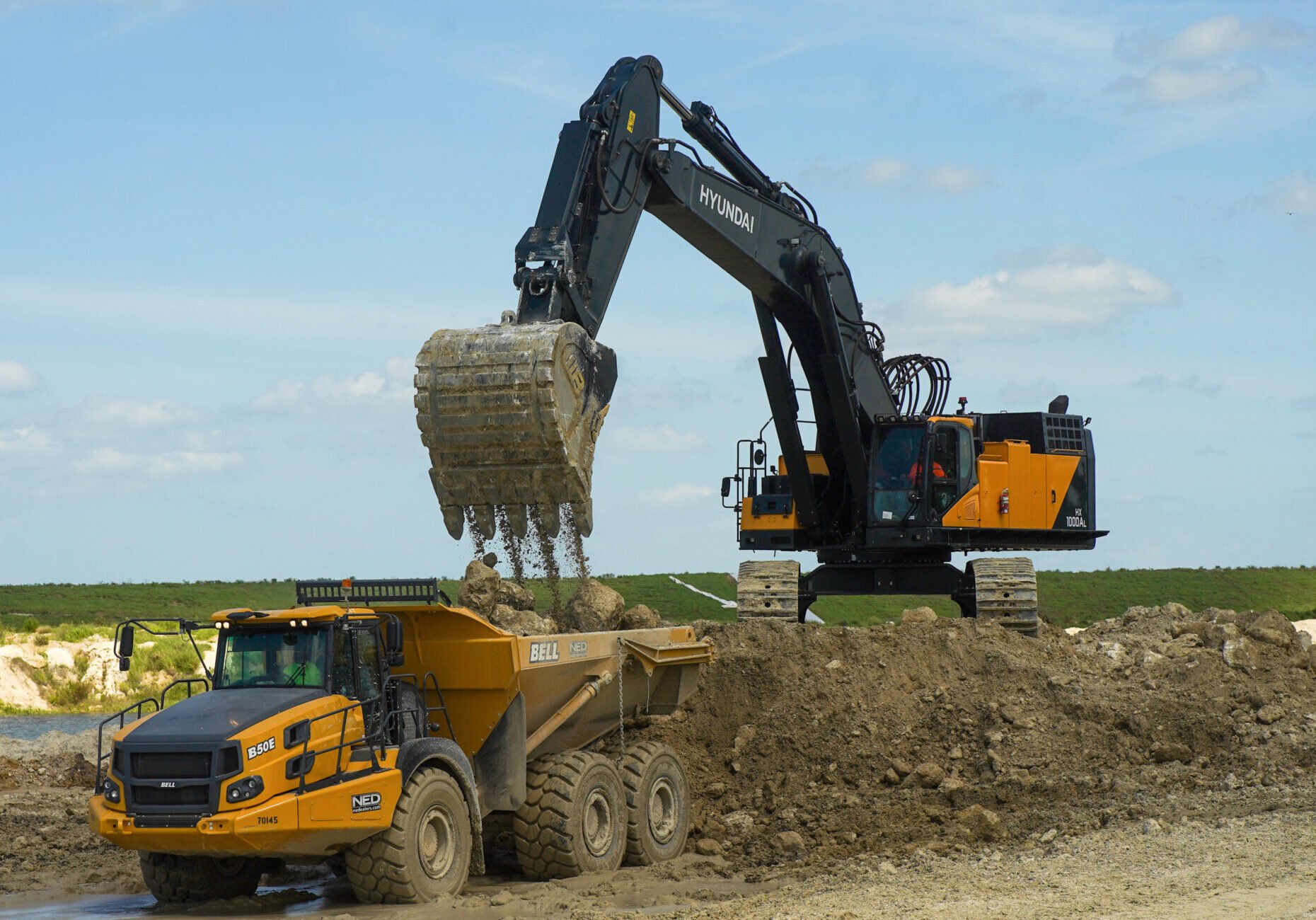
When it comes to excavation, the bucket is arguably the most crucial component of an excavator. It’s the only element of the machine that is touching the ground other than the tracks. The bucket is where the digging laboratory takes place. From digging, grading and loading to scraping, ripping and demolition; the name of the game is efficiency. The question is always; how can we move material more efficiently? A key factor that plays into the effectiveness of an excavator is the capacity of its bucket. In this article, we'll delve into everything you need to know about excavator bucket capacities, helping you make informed decisions for your projects.
What is Excavator Bucket Capacity?
Excavator bucket capacity is the amount of material that the bucket can hold. It’s typically measured in cubic feet for smaller machines and larger machines will typically be measured in cubic yards or cubic meters for our friends outside of the United States. The capacity can significantly impact the efficiency and speed of your excavation project. A higher capacity bucket can mean a faster loading time, however purchasing too large of a bucket will strain a machine and could potentially decrease your speed. The idea is tackling that balance of speed while maximizing capacity.
Factors Influencing Bucket Capacity
- Size of the Excavator:
Smaller machines have smaller bucket capacities, usually under 1 cubic yard and often will be measured in cubic feet, while larger machines can have buckets that hold upwards of 10 cubic yards or even larger. The majority of excavator buckets will fall somewhere in between.
- Type of Work:
Trenching: Requires a narrow bucket that’s often deeper to get as much depth and maintain capacity with a narrower opening. Often trenching will be done to install pipelines, cables, and conduit.
Mass Excavation: Utilizes larger, higher capacity buckets to move large volumes of material to remove.
Bulk Material Handling: Utilizes larger, higher capacity buckets to move large volumes of sand, gravel, or coal for example.
Rock Excavation: Needs a severe to extreme duty bucket capable of withstanding wear and tear from breaking and lifting abrasive rock.
Demolition: Relies on a severe or extreme duty bucket to handle broken concrete, masonry, and other construction debris without prematurely wearing or failing.
Grading: Involves a wider bucket with lower capacity to smooth surfaces, prepare sites and dig slopes. Often this bucket will not be required to be as heavy duty as other tasks.
Landscaping: Often requires a medium capacity bucket capable of handling a wide variety of tasks from digging to loading and installing loose soils, mulch and other commonly used landscaping materials.
Utility Installation: Utilizes precise width and often requires digging around existing utilities without causing damage.
- Material Type:
To understand what capacity the machine will require, it is important to evaluate what materials the bucket will typically be working in. Will it be lighter and less abrasive like a mulch application; or more dense like a rock? Weather, temperature and moisture will impact the medium that you are digging in. If it rains or the ground is not well drained, materials will be more dense and therefore heavier per cubic yard. It’s great to check out charts or reference materials to determine what weight per cubic yard the material you are working with will be. That will help you understand what kind of capacity your machine can handle. See our bucket selector guide for more information.
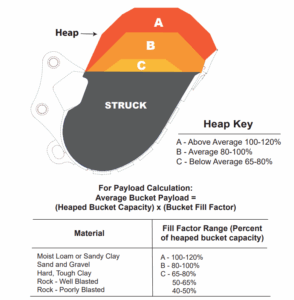
Understanding Load Rating and Capabilities
The load rating must be considered alongside bucket capacity. Exceeding the rating can damage the equipment or lead to accidents. Always check the manufacturer's guidelines to understand both the material density and the safe operating load for your excavator.
Calculating the Volume
To calculate the optimal volume capacity, consider:
- Density:
Measure the material density; heavier materials reduce volume capacity.
- Excavator Balance:
Ensure the machine’s stability; overloading affects performance. For example, a machine working on level ground will be more stable than a machine working on a slope downhill.
- Capacity Strategy:
Balance between capacity and cycle time; optimal fills prevent overloading and machine stress.
Choosing the Right Bucket
- Assess Project Needs:
Consider material type, project size, and site conditions. Choose a manufacturer that strikes a balance of durability and weight that is reputable. Work closely with them and let them know what application you will be operating in.
- Long-Term Strategy:
Invest in a bucket capable of versatility. Buy once, cry once; it’s often better to spend more up front to get the correct bucket in terms of both capacity and durability for your project. The efficiency gain will well make up for the difference in upfront costs over the life of the project and the bucket. Having a coupler and multiple buckets can provide flexibility as your needs change.
- Manufacturer Recommendations:
Rely on specs provided by manufacturers for compatibility and efficiency. Work with a manufacturer that maintains tight tolerances and builds buckets specifically for your machine specification.
Check out our article "Buyer Beware: Are You Partnered With the Right Attachment Manufacturer?" for more information.
Conclusion
Understanding excavator bucket capacities allows for improved project planning and execution. A suitable bucket not only saves time and costs but also ensures safety and maximizes your machine's potential. By considering your specific needs, material characteristics, and equipment capabilities, you'll be better positioned for success on any excavation task.
Topics:
