
Best Excavator Attachments for Demolition Contractors: How to Choose the Right Tool for the Job
September 22nd, 2026
9 min. read
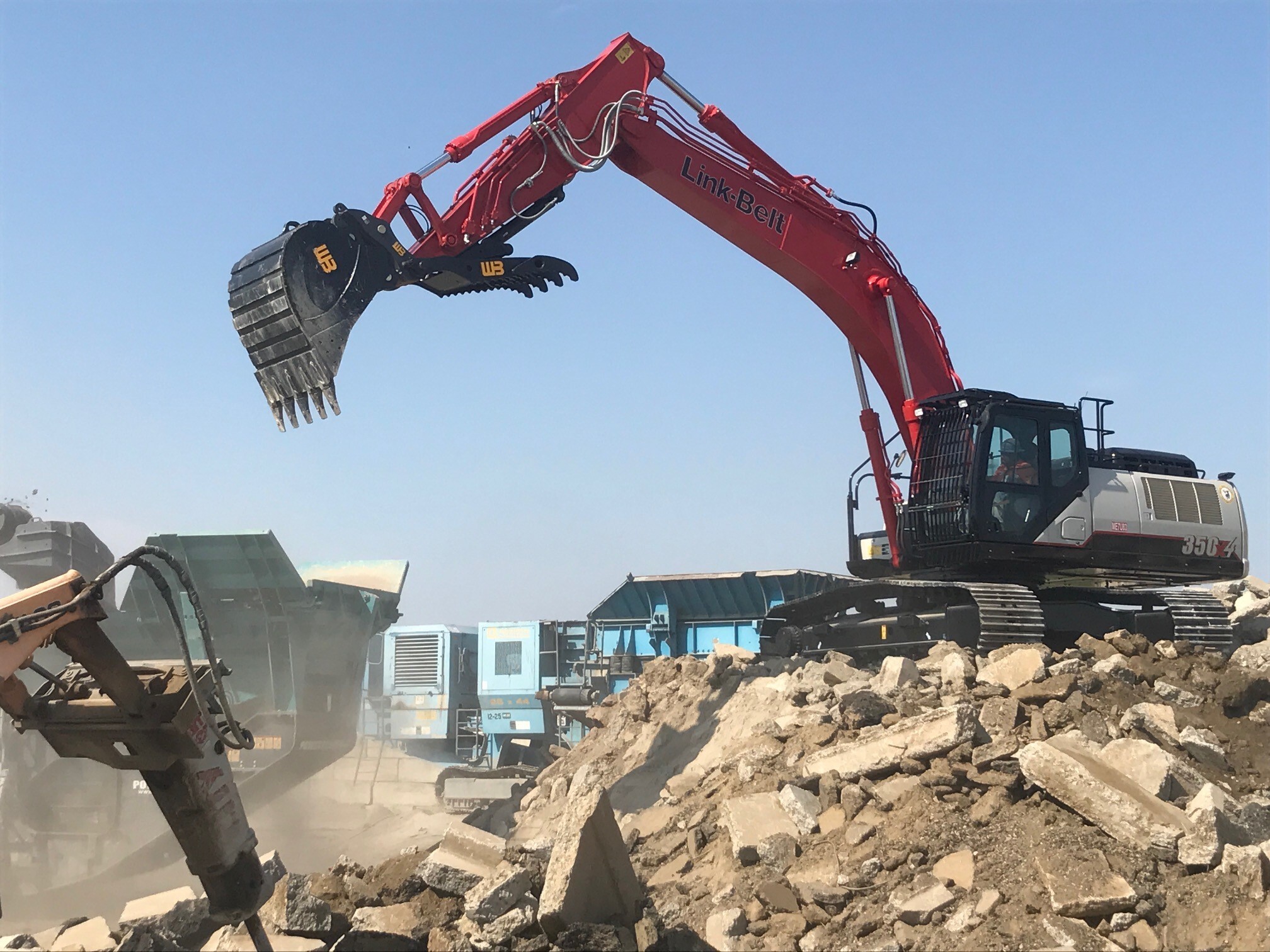
Quick Answer: What Are the Best Excavator Attachments for Demolition?
• Best for loading processed debris: Heavy Duty Bucket
• Best for tougher demolition cleanup: Severe Duty Bucket
• Best for harsh demolition conditions: Extreme Duty Bucket
• Best flexible thumb option: Stick Mounted Universal Style Thumb
• Best bucket-and-thumb integration: Main Pin Hydraulic Thumb
• Best full-range control: Progressive Link Thumb
• Best for sorting loose debris: Rake
• Best dedicated grabbing tool: Box Grapple
• Best all-in-one control and capacity option: HydraGrip
Demolition contractors do not just need an attachment that survives the job. They need an attachment that helps control unpredictable material, reduce unnecessary machine movement, separate debris efficiently, protect surrounding structures, and keep trucks moving. The right excavator attachment can change the pace of the entire jobsite. The wrong one can add time, wear, rework, and cost.
The best excavator attachments for demolition contractors typically include buckets, thumbs, rakes, grapples, and combination tools such as the Werk-Brau HydraGrip. The right choice depends on the material being demolished, how much sorting is required, whether the debris has already been processed, how material will be loaded, and whether the contractor needs maximum control at full machine reach.
The best demolition attachment depends on the material being handled, how much sorting is required, whether the debris has already been broken down, and how the contractor plans to process, load, or remove material from the site. In many cases, a bucket and thumb may be enough. In more demanding applications, a rake, grapple, severe-duty bucket, extreme-duty bucket, or integrated bucket-and-grip attachment may be a better fit.
What Attachments Do Demolition Contractors Need Most?
Most demolition contractors rely on some combination of heavy-duty buckets, stick mounted universal style thumbs, main pin hydraulic thumbs, progressive link thumbs, excavator rakes, box grapples, and bucket-and-grip style attachments. A contractor using a hammer, pulverizer, or shear may only need a bucket to load processed debris. A contractor handling loose, mixed, or irregular material may need a thumb, grapple, rake, or HydraGrip-style attachment to improve control and reduce sorting time.
| Attachment | Best Used For | Why it Matters | Tradeoff |
| Heavy Duty Bucket | Loading processed debris | Provides good capacity when material has already been sized down. | May not provide enough protection for harsh impact, abrasion, or aggressive prying. |
| Severe Duty Bucket | Higher-impact demolition cleanup | Adds reinforcement for tougher abrasive conditions. | Added weight and cost may reduce payload and may be overbuilt for lighter, already-processed material. |
| Extreme Duty Bucket | Severe demolition and aggressive material handling | Built for maximum durability in demanding work. | Maximum durability may come at the expense of speed, payload, and efficiency in lighter cleanup work. |
| Stick Mounted Universal Style Thumb | Versatile grabbing and material handling across multiple bucket set ups | Provides broad compatibility and practical control. | May not offer the same optimized bucket match or range if control as other thumb styles. |
| Main Pin Hydraulic Thumb | Picking, placing, and grabbing irregular debris | Improves control while keeping the bucket central to the setup. | Less flexible across multiple bucket setups than a universal-style thumb. |
| Progressive Link Thumb | High-control demolition handling | Offers greater rotation and better grip through the machine's working range. | May cost more upfront and may be unnecessary if the operator only |
| Rake | Sorting and sifting loose debris | Lets smaller material fall through while moving larger debris. | Not ideal when the priority is carrying or loading maximum bucket volume. |
| Box Grapple | Bulk sorting, loading, and handling irregular material | Provides strong grabbing capability without requiring a separate thumb. | Less efficient for digging or high-volume bucket loading compared to a bucket-based setup. |
| HydraGrip | High-capacity grabbing, clamping, sifting, and loading | Combines bucket capacity with full reach clamping control | Not ideal if the job only requires simple digging, bulk loading, or occasional cleanup |
Which Bucket Is Best for Demolition Work?
Choosing the right bucket starts with understanding how the material will be used or removed after the structure comes down. If the debris has already been processed with a hammer, shear, or pulverizer, the bucket’s primary job is usually loading and cleanup. If the bucket will be exposed to higher impact, abrasion, or prying forces, the contractor should consider a more reinforced design.
Heavy Duty Bucket
A heavy-duty bucket is a strong choice when the contractor needs capacity for loading and removing fallen debris. It is especially useful when the material has already been reduced to manageable sizes and the main priority is moving material efficiently from the pile to the truck.
The tradeoff is that a heavy-duty bucket may not provide enough protection for harsh impact, heavy abrasion, or aggressive prying. If the bucket will be used in tougher demolition conditions instead of mainly loading processed debris, the contractor may need to move up to a severe duty or extreme duty option.
Severe Duty Bucket
A severe duty bucket adds reinforcement in key areas to handle more abrasive and higher-impact applications. It is a good fit when the job requires more durability than a standard heavy-duty bucket, but the contractor still needs usable capacity for debris removal and loading.
The tradeoff is added weight and cost compared to a heavy-duty bucket. While the reinforcement improves durability, it can slightly reduce usable payload and may be more bucket than needed if the machine is only loading lighter, already-processed material.
Extreme Duty Bucket
An extreme duty bucket is built for the harshest demolition conditions. These buckets typically include heavier liners, additional wear protection, upgraded ground engaging tools, and a thicker lip for added strength. When the bucket may be used aggressively around tough material or larger chunks of debris, the extra durability can help extend service life and reduce downtime.
The tradeoff is that an extreme duty bucket is typically heavier and more specialized. That added strength is valuable in severe applications, but it may reduce cycle efficiency or payload capacity in lighter cleanup work where a heavy duty or severe duty bucket would be more productive.
Simple bucket selection rule: If the debris is already processed, start with a heavy-duty bucket. If impact and abrasion are higher, move to severe duty. If the bucket will live in the harshest demolition cleanup environments, choose extreme duty.
For more information on which bucket is right for your application, view our Bucket Selector Guide.
When Should You Use a Thumb in Demolition?
A thumb turns an excavator from a digging and loading machine into a more capable material-handling tool. In demolition, that matters because debris is rarely uniform. Broken concrete, wood, steel, pipe, and mixed construction material all require control when being picked, placed, sorted, or loaded.
Choosing between thumb styles comes down to how often the machine will handle irregular material, how much bucket compatibility matters, and how much rotation and control the operator needs throughout the working range. All three options can improve demolition handling, but each setup fits a different type of customer and jobsite need.
Stick Mounted Universal Style Thumb
A stick mounted universal style thumb is often the best choice when flexibility and compatibility are the priority. Because it mounts to the stick rather than being built around one specific bucket and pin arrangement, it can be a practical option for contractors who use more than one bucket or want a cost-conscious way to add grabbing capability to a machine. Especially for those without a coupler.
This setup makes sense for general demolition cleanup, occasional material handling, and contractors who need dependable control without moving into a more specialized thumb package. The tradeoff is that it may not offer the same optimized bucket match or working-range control as a main pin or progressive link setup.
Main Pin Hydraulic Thumb
A main pin hydraulic thumb is a strong choice when the contractor wants a more integrated thumb and bucket relationship. Because the thumb is designed around the machine’s main pin location, it can provide a clean fit, strong grabbing performance, and reliable control for common demolition tasks such as picking, placing, sorting, and loading irregular debris.
This is often the best fit for contractors who regularly use a bucket and thumb together and want a durable, purpose-matched setup for demolition cleanup. It offers better integration than a universal-style thumb while keeping the attachment package straightforward and familiar for operators.
The tradeoff is that a main pin hydraulic thumb is less flexible than a universal-style thumb if the contractor frequently changes buckets or needs one thumb setup to work across a wider range of configurations.
Progressive Link Thumb
A progressive link thumb is often the best option when control, rotation, and full-range gripping performance are the priorities. The linkage design gives the thumb more usable rotation, which helps operators maintain a better grip as the bucket moves through its cycle.
For demolition contractors working in tight areas, handling large or awkward debris, or trying to reduce machine repositioning, that added range can make a noticeable difference. It allows the operator to grab material farther from the machine and closer to the machine with more consistent control, which can improve productivity on crowded or complex jobsites.
The tradeoff is that a progressive link thumb is typically the most specialized of the three thumb options. It will add to the weight of the package as well as added cost as well. It is best justified when the operator will regularly use the added rotation and control; otherwise, a simpler stick mounted or main pin setup may be more cost-effective.
Simple thumb selection rule: Choose a stick mounted universal style thumb when compatibility and flexibility matter most. Choose a main pin hydraulic thumb when the contractor wants stronger bucket-and-thumb integration. Choose a progressive link thumb when full-range grip, rotation, and operator control are the priorities.
Are Grapples or Rakes Better for Sorting Demolition Debris?
Rakes and grapples both help contractors sort and move debris, but they solve slightly different problems. An excavator rake works well when the contractor needs to gather larger material while allowing dirt, small stone, and fines to fall through. That can reduce the amount of material hauled off site and help keep reusable or allowable material where it belongs.
A box grapple is better suited for contractors who need a dedicated tool for grabbing, sorting, and loading bulky or irregular demolition material. Because the clamp is integrated into the grapple, the contractor does not need to rely on a separate thumb. That can be an advantage when the machine needs to handle large volumes of debris or when the contractor wants to remove thumb weight from the stick and use a higher-capacity bucket for loading work.
What Is the Best Attachment for High-Control Demolition Handling?
For contractors who want bucket capacity, clamping force, sifting capability, and control through the machine’s full reach, the Werk-Brau HydraGrip is designed to bring several demolition-friendly functions into one attachment. It works like a reinforced bucket-and-thumb combination, but with the added benefit of constant clamping force and the ability to grab material at full machine reach.
That matters in demolition because operators often need to reach, clamp, lift, sort, and load without repeatedly repositioning the excavator. The skeleton bucket design also allows smaller material to sift through while retaining larger debris, giving contractors the material-handling benefits of a rake with the capacity and control of a bucket-based attachment.
The tradeoff is that HydraGrip may be more attachment than needed for contractors who only need basic digging, simple loading, or occasional cleanup. It makes the most sense when the contractor needs to combine grabbing, sifting, clamping, and loading into one attachment rather than switching tools or relying only on a standard bucket-and-thumb setup.
How Do You Choose the Right Demolition Attachment?
The right attachment should be chosen around the application, not just the machine size. Before selecting an attachment, contractors should consider what material they are handling, whether the material has already been processed, how much sorting is required, how often the machine will dig versus grab, and how important reach, clamping control, and cycle time are to the job.
• Choose a heavy-duty bucket when the main task is loading processed debris.
• Choose a severe duty bucket when the material is more abrasive or the application is more demanding.
• Choose an extreme duty bucket when durability is the top priority in harsh demolition conditions.
• Choose a stick mounted universal style thumb when flexibility, compatibility, and occasional material handling are more important than maximum range of motion.
• Choose a main pin hydraulic thumb when the contractor needs to pick, place, and control irregular material while still using a bucket.
• Choose a progressive link thumb when reach, rotation, and control are especially important.
• Choose a rake when the job requires sorting larger material from fines, dirt, or smaller debris.
• Choose a box grapple when the machine will spend most of its time grabbing, sorting, and loading bulky material.
• Choose HydraGrip when the job calls for bucket capacity, clamping force, sifting ability, and full-reach material control in one attachment.
FAQs About Excavator Attachments for Demolition
What is the best excavator attachment for demolition cleanup?
The best attachment depends on the debris and the work being done. For processed material, a heavy duty or severe duty bucket may be enough. For loose, mixed, or irregular debris, a thumb, grapple, rake, or HydraGrip-style attachment can improve control and sorting efficiency.
Do demolition contractors need a thumb or a grapple?
A bucket and thumb is often the more versatile setup when the machine still needs to dig, load, and grab material. A grapple is usually better when the machine will spend most of its time grabbing, sorting, and loading bulky demolition debris.
When should I use a severe duty bucket instead of a heavy-duty bucket?
Use a severe duty bucket when the application includes more impact, abrasion, or tougher cleanup conditions than a heavy-duty bucket is designed to handle. If the machine is mostly loading lighter, already-processed debris, a heavy-duty bucket may be more efficient.
Is a progressive link thumb worth it for demolition?
A progressive link thumb is usually worth it when the operator needs more rotation, better grip through the bucket cycle, and more control at different positions. It may not be necessary for contractors who only need occasional grabbing capability.
What is the best attachment for sorting demolition debris?
For sorting loose demolition debris, a rake is useful when fines, dirt, and smaller material need to fall through. A grapple is usually better for grabbing and loading bulky material. HydraGrip can be a good fit when the contractor wants bucket capacity, sifting, and clamping control in one attachment.
Final Takeaway
Demolition jobs are won and lost on more than machine size. Material type, debris handling, sorting requirements, surrounding structures, environmental considerations, and haul-off strategy all affect the attachment decision. Matching the right attachment to the application can help contractors reduce wasted movement, improve control, protect equipment, and keep the job moving from teardown to cleanup.
If you are comparing attachment options for an upcoming demolition job, start with the application, not the catalog. Talk with a Werk-Brau attachment specialist about your machine size, coupler setup, material type, sorting requirements, and production goals. The right recommendation can help you choose an attachment that fits the way your crew actually works and keeps the job moving from teardown to cleanup.
R.W. is a Regional Sales Manager, working with customers in the Upper Southeast region. He brings practical insight from the field to help ensure reliable performance on the jobsite.
